
Discovering the Charm of Walking Stick Antiques UK

Walking sticks have long been more than just practical aids for mobility. They are pieces of history, art, and craftsmanship rolled into one. In the UK, walking stick antiques hold a special place, reflecting centuries of tradition and style. As someone who appreciates the beauty and stories behind vintage items, I find these walking sticks fascinating. They offer a unique way to connect with the past while adding character to any collection or home décor.
The Allure of Walking Stick Antiques UK
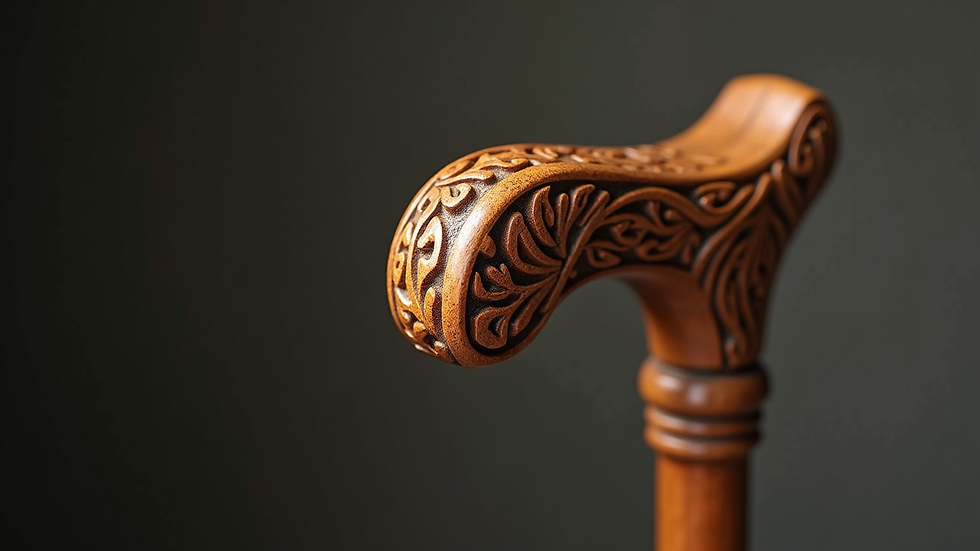
Walking stick antiques UK are treasured for their intricate designs and the stories they carry. These sticks often feature handles made from exotic materials like ivory, silver, or carved wood. Some even conceal hidden compartments or tools, making them both beautiful and functional.
Collectors and decorators alike value these items for several reasons:
Historical significance: Many walking sticks date back to the Victorian or Edwardian eras, reflecting the fashion and social customs of those times.
Craftsmanship: The detailed carving and choice of materials showcase the skill of artisans from different periods.
Variety: From simple wooden sticks to elaborate canes with silver handles, there is a wide range to explore.
Conversation pieces: Displaying a walking stick antique can spark interest and stories among guests.
If you are looking to enrich your home with a piece that carries history and charm, exploring walking stick antiques UK is a rewarding journey.
How to Identify Walking Stick Antiques UK
When searching for walking stick antiques UK, it helps to know what to look for. Here are some practical tips to guide you:
Material: Older walking sticks often use natural materials like hardwoods (ebony, boxwood), ivory, or bone. Modern replicas might use plastic or synthetic materials.
Handle design: Look for unique shapes such as animal heads, curved handles, or ornate silver tops. These often indicate a higher level of craftsmanship.
Wear and patina: Genuine antiques show signs of age, such as a smooth patina on the wood or slight tarnishing on metal parts.
Markings and signatures: Some walking sticks have maker’s marks or hallmarks, especially on silver handles. These can help date and authenticate the piece.
Weight and balance: Antique sticks tend to have a solid feel and balanced weight, reflecting their quality.
By paying attention to these details, you can better appreciate the value and authenticity of a walking stick antique.
How to tell how old a walking stick is?
Determining the age of a walking stick can be a fascinating detective task. Here are some methods I use to estimate the age of these antiques:
Examine the style: Different periods had distinct styles. For example, Victorian sticks often have elaborate carvings and silver mounts, while Edwardian sticks might be simpler but elegant.
Check the materials: Ivory handles were popular in the 19th century but became less common after the early 20th century due to regulations.
Look for hallmarks: Silver handles often bear hallmarks that indicate the maker, place, and year of manufacture. These can be researched online or in reference books.
Assess the wear: Genuine antiques show consistent wear in places where they would naturally be handled.
Consult experts: When in doubt, reaching out to antique dealers or appraisers can provide valuable insights.
Understanding the age of a walking stick adds depth to its story and helps in making informed purchasing decisions.

Caring for Your Antique Walking Sticks
Once you have acquired a beautiful walking stick antique, proper care is essential to preserve its condition and value. Here are some tips I recommend:
Avoid moisture: Keep the stick away from damp environments to prevent wood warping or metal corrosion.
Clean gently: Use a soft cloth to dust the stick regularly. For metal parts, a gentle polish designed for silver or brass can be used sparingly.
Store properly: Store walking sticks upright in a dry, cool place. Avoid leaning them against walls where they might fall or get damaged.
Handle with care: When using or displaying the stick, avoid excessive force or dropping it.
Professional restoration: If the stick needs repair, seek a professional restorer who specialises in antiques to maintain its integrity.
With these simple steps, your walking stick antique can remain a cherished piece for years to come.
Where to Find Antique Walking Sticks in the UK
Finding authentic walking stick antiques in the UK can be an exciting adventure. Here are some places and tips to help you start your search:
Antique fairs and markets: These events often feature walking sticks among other vintage items. It’s a great way to see a variety of pieces and speak directly with sellers.
Specialist dealers: Some dealers focus on walking sticks or walking stick antiques. They can offer expert advice and a curated selection.
Online auctions and marketplaces: Websites dedicated to antiques often list walking sticks. Be sure to check the seller’s reputation and request detailed photos.
Estate sales and auctions: These can be treasure troves for antique walking sticks, sometimes at reasonable prices.
Museums and exhibitions: Visiting museums with historical collections can inspire and educate you about different styles and periods.
If you want to explore a trusted source, consider browsing antique walking sticks uk for a curated selection that combines quality and authenticity.
Adding a Walking Stick Antique to Your Home
Incorporating a walking stick antique into your home décor is a wonderful way to add character and history. Here are some ideas to showcase these unique pieces:
Display stands: Use a dedicated stand or rack in a hallway or living room to keep your collection visible and accessible.
Wall mounts: Mounting walking sticks on the wall can create an artistic display that doubles as décor.
Functional use: If the stick is sturdy and comfortable, consider using it as a stylish walking aid.
Complement with vintage furniture: Pair walking sticks with antique chairs, cabinets, or rugs to create a cohesive vintage look.
Create a themed corner: Combine walking sticks with old books, photographs, and other antiques to tell a story in one space.
By thoughtfully displaying walking stick antiques, you can enrich your home with pieces that invite curiosity and admiration.
Exploring walking stick antiques UK has been a rewarding experience for me. These items are not just tools but storytellers from the past. Whether you are a collector or a home decorator, adding a walking stick antique can bring a touch of elegance and history to your space. With careful selection and care, these beautiful pieces will continue to charm for generations.


Comments