
Discovering the Charm of UK Antique Walking Sticks

Walking sticks have long been more than just practical aids for mobility. In the UK, they carry a rich history and a unique charm that appeals to collectors and decorators alike. As someone who appreciates the beauty and stories behind vintage items, I find antique walking sticks to be fascinating pieces that blend craftsmanship, history, and style. In this post, I want to share insights into the world of UK antique walking sticks, exploring their history, styles, and tips for collecting.
The History Behind UK Antique Walking Sticks
Walking sticks in the UK have a history that dates back centuries. Originally, they were simple tools to assist with walking, especially on uneven terrain. Over time, however, they evolved into symbols of status and fashion. By the 18th and 19th centuries, walking sticks became highly decorative, often reflecting the owner's personality and social standing.
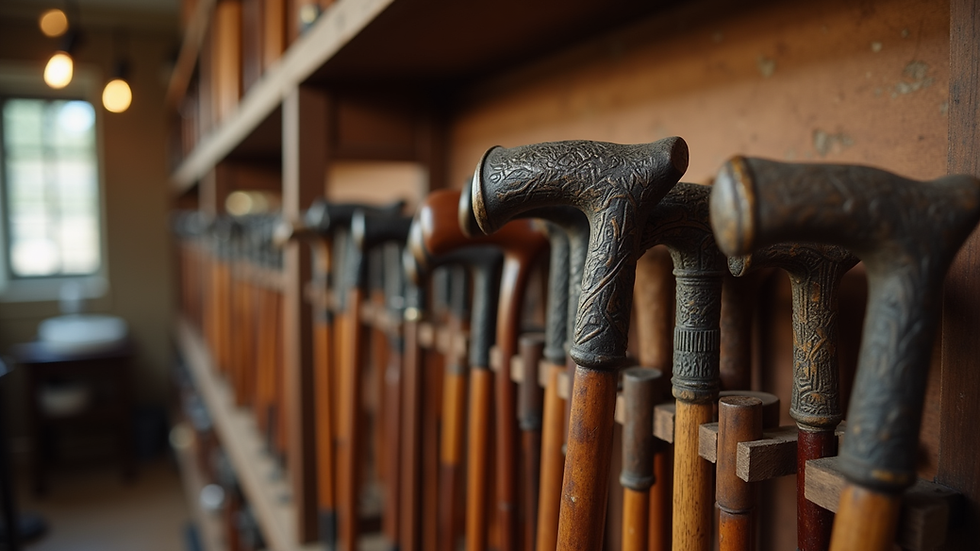
Many walking sticks from this era were crafted from fine woods like ebony or boxwood and featured intricate handles made from materials such as ivory, silver, or horn. Some even concealed hidden compartments or weapons, adding an element of intrigue. These sticks were not just functional but also conversation pieces, often passed down through generations.

Exploring Different Styles of UK Antique Walking Sticks
When it comes to styles, UK antique walking sticks offer a wide variety. Each style tells a story about the period it comes from and the tastes of its owner. Here are some popular types you might encounter:
Gentleman’s Walking Stick: Often made from dark woods with silver or gold handles, these sticks were symbols of elegance.
Sporting Sticks: Designed for outdoor activities like hunting or fishing, these often included practical features such as folding seats or compartments.
Novelty Sticks: These are whimsical or themed sticks, sometimes shaped like animals or with carved figures.
Medical Sticks: Used for support, these sticks often had ergonomic handles and sturdy shafts.
Each style reflects a different aspect of British culture and history, making them fascinating to collect and display.
How to Identify Authentic UK Antique Walking Sticks
Authenticity is key when collecting antique walking sticks. Here are some practical tips to help you identify genuine pieces:
Material Quality: Genuine antiques often use high-quality woods and materials. Look for signs of age like patina or wear that matches the stick’s supposed age.
Craftsmanship: Examine the details. Hand-carved handles and intricate metalwork are good indicators of authenticity.
Markings and Signatures: Some sticks bear maker’s marks or hallmarks, especially those with silver fittings.
Provenance: If possible, learn about the stick’s history. Documentation or stories from previous owners add value.
Condition: While some wear is expected, avoid sticks with modern repairs or replacements that detract from their originality.
By paying attention to these details, you can confidently add authentic pieces to your collection.
Caring for Your Antique Walking Sticks
Once you have a beautiful antique walking stick, proper care is essential to preserve its condition and value. Here are some simple care tips:
Avoid Excess Moisture: Keep sticks away from damp environments to prevent wood warping or metal corrosion.
Clean Gently: Use a soft cloth to dust regularly. For metal parts, a gentle polish can restore shine without damaging the patina.
Store Properly: Store sticks upright in a dry, stable place. Avoid leaning them against walls where they might fall or get scratched.
Handle with Care: When using or displaying your walking stick, handle it gently to avoid chips or cracks.
With these steps, your antique walking sticks will remain stunning for years to come.
Where to Find and Buy Antique Walking Sticks in the UK
Finding the perfect antique walking stick can be a rewarding experience. In the UK, there are several avenues to explore:
Antique Shops and Fairs: Local antique shops often have unique walking sticks. Antique fairs and markets are great for browsing a variety of styles.
Online Auctions and Marketplaces: Websites specialising in antiques offer a wide selection. When buying online, always check seller reviews and request detailed photos.
Specialist Dealers: Some dealers focus specifically on walking sticks and can provide expert advice and authentication.
Estate Sales and Auctions: These can be treasure troves for rare finds, but it helps to have some knowledge or bring an expert along.
If you want to explore a curated selection, you might want to check out antique walking sticks uk for quality pieces that combine history and craftsmanship.
Adding Antique Walking Sticks to Your Home Decor
Antique walking sticks are not only collectible items but also excellent decorative pieces. Here are some ideas to incorporate them into your home:
Display Stands: Use elegant stands or racks to showcase your collection in a hallway or living room.
Wall Mounts: Mounting sticks on the wall can create a striking visual feature.
Functional Decor: Place a walking stick near an armchair or by the door for both style and practicality.
Themed Rooms: Incorporate walking sticks into rooms with vintage or British heritage themes to enhance the atmosphere.
Their unique shapes and materials add texture and history to any space, making them conversation starters and cherished accents.
Embracing the Legacy of UK Antique Walking Sticks
Collecting and displaying antique walking sticks is a wonderful way to connect with the past. Each stick carries stories of craftsmanship, fashion, and personal history. Whether you are drawn to their artistic details or their historical significance, these pieces enrich your home with character and charm.
I encourage you to explore the world of UK antique walking sticks and discover the perfect piece that speaks to you. With careful selection and care, these timeless items can become treasured parts of your collection and décor.
Happy collecting!


Comments